Every single day, a child’s mind runs a marathon of new concepts, facts, and experiences. Although textbooks provide the groundwork, it takes a combination of concentration and creative involvement to fully lock in that knowledge. For this reason, creative educators, like a leading school in Nagpur, vary from traditional methods by combining everyday education with brain games for kids. By making cognitive development feel less like a work and more like an adventure, we can help kids organically develop their memory, identify patterns, and retain information over time.
Why Brain Games Help Improve Memory in Children?
The brain becomes stronger with regular use. Games that involve remembering pictures, following instructions or solving problems improve memory, concentration and logical thinking. Many educational games for kids encourage children to observe carefully and think before answering. The way a school develops a child’s mind is an essential attracting feature during CBSE school admissions. Leading schools place significant importance on everyday exercises that improve focus, memory, and reasoning.
Types of Memory Brain Games Can Develop
Different brain games improve different memory skills. Some strengthen short-term memory, while others develop working memory, visual memory, listening skills and problem-solving abilities. Memory games for children help build these skills through fun activities. A Top School in Nagpur often includes a variety of learning experiences to support children’s overall thinking and memory development.
10 Brain Games That Improve Kids’ Memory
These easy brain games help kids stay focused, improve their memory, and enjoy learning while keeping them interested.
1. Memory Card Matching
Memory card matching helps children improve visual memory by finding matching pairs of cards. As they remember each card’s position, their attention and recall gradually improve.
2. Simon Says
Simon Says improves listening, concentration and short-term memory. Children listen carefully, remember the rules and respond only to the correct instructions.
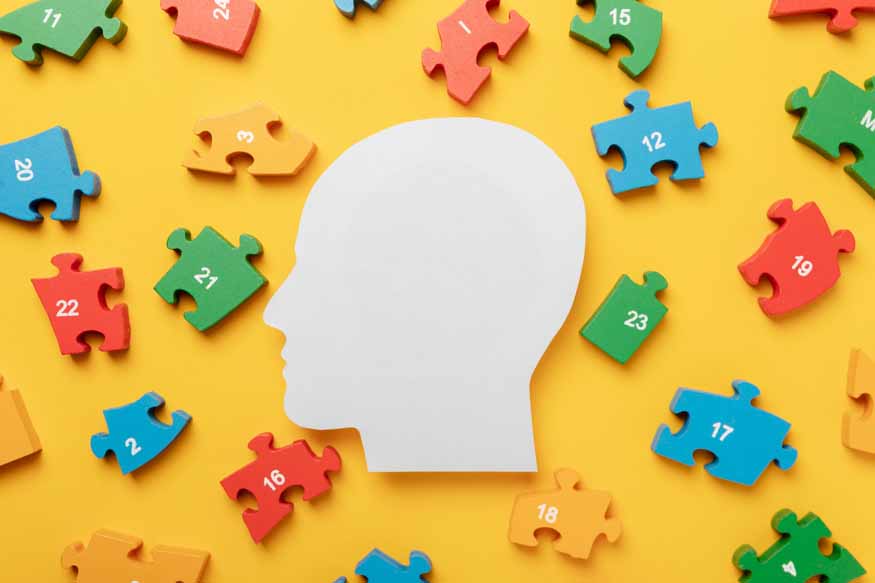
3. Jigsaw puzzles
Jigsaw puzzles improve children’s visual memory and problem-solving abilities while assisting them in identifying shapes and patterns. As they advance, more difficult challenges keep them interested.
4. Children’s Sudoku
Using numbers, images, or symbols makes solving Sudoku puzzles for kids easier. Children learn to recognise patterns, think critically, and make wiser choices as they solve each challenge.
5. Identify the difference.
Children hunt for minute differences between two similar photographs. This easy exercise helps kids become more skilled at observing details that they might otherwise overlook.
6. Sequence Recall Game
A series of pictures, numbers or objects is shown for a short time, and children repeat the sequence from memory. The game encourages careful attention and helps children remember information in the correct order.
7. Story Chain Game
One child begins a story, and each player adds a new sentence while remembering the earlier parts. It keeps everyone involved and develops memory through fun storytelling.
8. Chess
Every move in chess requires planning and careful thinking. Children learn to predict possible outcomes, remember previous moves and make thoughtful decisions instead of rushing.
9. The Rubik’s Cube
The Rubik’s Cube challenges kids to solve a multi-coloured puzzle by following different movement patterns. They get better in identifying patterns and coming up with answers with experience.
10. Word search and crossword puzzles
These word puzzles help kids find new words, learn spellings, and expand their vocabulary. They also keep the mind engaged while improving the enjoyment of reading practice.
How Often Should Kids Play Brain Games?
When it comes to brain games for kids, consistency is more important than duration. Children can improve their memory and focus for 15 to 30 minutes a day without becoming exhausted. By switching up the activities each week, you can prevent repetition and make sure kids are developing a variety of cognitive abilities rather than just one.
How Can Parents Increase the Fun of Brain Games?
When learning is enjoyable and interesting, kids love it. Parents can enjoy games together, value small successes, and encourage effort rather than winning. Children can maintain their motivation and interest by selecting age-appropriate activities and progressively adding new challenges.
Avoid These Errors When Playing Brain Games
Expecting quick results is a common mistake because memory improves with regular practice. In addition, parents need to stay away from comparing their kids to others or selecting activities that are excessively challenging. A healthy balance of brain exercises for kids, outdoor play, reading and enough sleep supports better learning and overall development.
Benefits of Brain Games Beyond Memory
Memory is just one of the things brain games strengthen. Constant participation in these activities develops logical reasoning, improves problem-solving abilities, increases focus, and develops creative thinking—skills that are useful to all subjects and conditions a kid experiences. If you ever plan to visit our CBSE Schools in Katol Road, you will often see students taking part in activities that strengthen problem-solving, confidence, and teamwork alongside academic learning.
Visit to know more about Tips for enhancing your Child’s Memory
FAQs
1. Which brain games help improve kids’ memory?
Memory card matching, Simon Says, jigsaw puzzles, Sudoku, chess, and word puzzles are some of the best games for improving memory.
2. How often should children play brain games?
Playing for 15–30 minutes a day is enough to build memory and concentration over time.
3. When is it OK for kids to start playing brain games?
Children can start with simple memory games from around 3 years of age and move to more challenging games as they grow.
4. Do brain games improve school performance?
Yes. Brain games improve memory, focus and problem-solving, which support better learning at school.
5. Are digital brain games better than traditional games?
Both are useful. A mix of digital and offline games gives children the best learning experience.
Conclusion
A child’s learning and growth depend heavily on their memory. Regularly playing simple kids learning games improves focus, problem-solving and thinking skills while making learning enjoyable. With the right support at home and school, children develop stronger memories and confidence that benefit them for years to come.
Through engaging educational activities, students at Centre Point School improve their logical thinking and memory abilities. As one of the leading CBSE Schools in Katol Road, Nagpur the school encourages all-round development alongside academic excellence. Enquire Now to learn more about the admission process and programmes.