
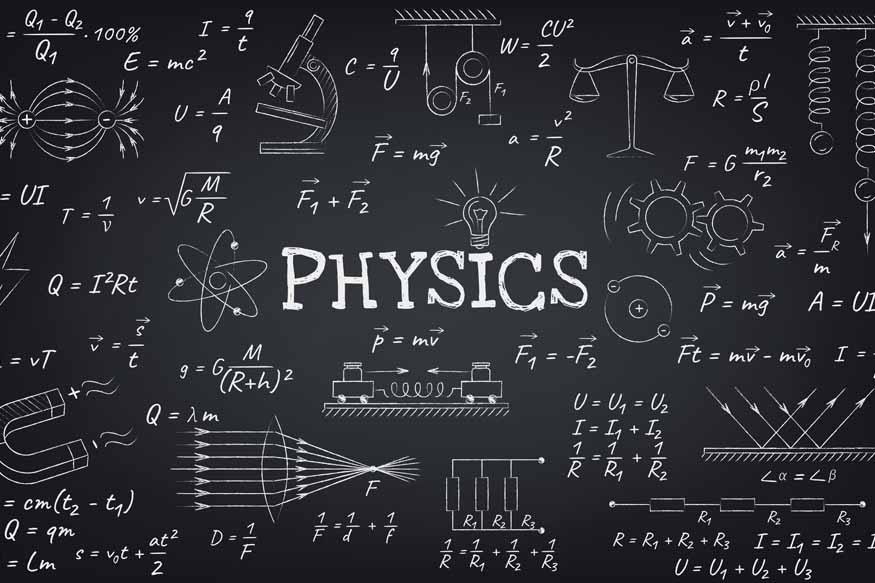
Physics is one of those subjects that demands two things at once — understanding the concept and remembering the exact formula that goes with it. Miss one and the other doesn’t help much, especially during exams. The good news is that with the right physics learning methods, this stops being as hard as it sounds. Regular practice, concept clarity and a structured approach to revision gradually build both speed and confidence in solving problems. Students who study in a top CBSE school in Nagpur with a strong academic environment often find it easier to stay consistent, clear doubts early and build understanding at a steady pace — which is really all it takes. This blog covers practical ways to remember Physics formulas better and perform well in CBSE exams.
Why Many Students Have Trouble Remembering Physics Formulas?
Because physics demands students to understand concepts, solve problems, and retain formulas simultaneously, many students find the subject difficult. Unlike subjects that rely mainly on theory, Physics often demands quick recall of equations during numerical calculations. Students are more prone to forget basic physics formulas on exams if they attempt to memorise them without understanding how important they are. Teachers often advise students to focus first on the meaning and application of formulas in order to make them easier to remember and utilise effectively in a variety of circumstances.
Understand the Meaning Behind Every Formula Before Memorising It
Most students treat physics formulas like a list to memorise — write it ten times, hope it sticks, panic when it doesn’t. The problem isn’t memory, it’s the approach. When you understand what a formula is actually saying — what each symbol means, what situation it describes — it stops feeling like something to force into your head. Take F=ma. Once you understand that force depends on mass and acceleration, the equation becomes obvious. You don’t memorise it, you just know it. A best school in Nagpur will rarely ask students to memorise without understanding first — because concept clarity always outlasts rote learning. Understand the why, and the memorisation takes care of itself.
Learn the Derivation of Important Physics Formulas
Many students skip derivations thinking they won’t come up in exams. But working through them actually helps you remember formulas longer and understand where they come from. This is what practical science education really looks like — learning the reasoning, not just the result. Students who understand the how rarely forget the what.
To make revision easier, arrange formulas according to topics.
Revision becomes much easier when formulas are organised according to chapters and topics. When formulas related to Motion, Electricity, Light, and Gravitation are grouped together, students can quickly find what they need without wasting time. This method helps students focus on understanding concepts instead of searching through pages of notes. Creating topic-wise charts or separate formula notebooks can also make revision more organised and effective before tests and examinations.
Create a Personal Formula Sheet for Quick Reference
Make a list of all the basic physics formulas you keep forgetting and put them on one page. Stick it somewhere you’ll actually see it — your desk, your cupboard door, anywhere. Reviewing it for five minutes daily does more than an hour of last-minute cramming. This is honestly something students at the best school in Nagpur figure out early, and it shows in how relaxed they are before exams.
Use Mnemonics and Memory Tricks to Recall Complex Formulas
If you’ve ever blanked on a formula mid-exam, you know how frustrating it is. Mnemonics exist for exactly that moment — they give your brain a hook to hold onto. Connecting physics formula tricks like these to your daily revision doesn’t take long, but it builds the kind of memory that doesn’t fall apart under pressure. Students at a school in Nagpur who use this approach regularly tend to walk into exams feeling far more prepared.
Connect Physics Formulas with Real-Life Examples
Nobody remembers something they can’t relate to. That’s just how memory works. The formula for speed makes far more sense when you think about a car ride than when you stare at v = s/t on a page. Linking what you study to what you actually experience helps make concepts clearer and easier to remember. When students understand how a formula applies in everyday situations, they are more likely to recall it correctly during exams and use it with confidence.
Practice Numerical Problems to Improve Formula Application
There’s a big difference between recognising a formula and knowing when to use it. That only comes from sitting with numerical problems regularly — getting them wrong sometimes, figuring out why, and trying again. It may not be the most exciting method, but it is one of the most reliable ways to improve understanding and accuracy. This kind of practice helps students stay calm under pressure and approach questions with greater confidence. Problem-solving isn’t something that should be treated as extra work; it is one of the most effective ways to build understanding and improve accuracy.
Revise Formulas Regularly to Improve Retention
Formulas don’t disappear because you’re bad at physics — they disappear because you don’t revisit them often enough. Spacing out your revision every few days keeps equations fresh without feeling like you’re studying all the time. Consistent CBSE physics revision works the same way — small, regular effort beats one long panic session every time. A best school in Nagpur will tell you the same thing: the students who stay on top of revision schedules are rarely the ones stressing the night before exams.
Identify High-Weightage Physics Formulas for CBSE Exams
Not every formula deserves equal attention before an exam. Some show up almost every year, others barely make an appearance — and knowing the difference makes board exam science preparation far less overwhelming. You’re not ignoring the rest, you’re just being smart about where your time goes. Teachers at a CBSE school in Nagpur who’ve seen enough question papers know exactly which formulas need that extra attention, and that guidance alone can change how a student prepares.
Avoid Common Mistakes While Learning Physics Formulas
Most physics mistakes aren’t about not knowing — they’re about not checking. A missing unit, a flipped symbol, confusing two formulas that look almost identical. It happens to everyone. The difference is whether you catch it or not. Using physics formula tricks like colour coding similar equations or always writing out units forces you to slow down just enough. At a school in Nagpur where accuracy is taken seriously, this kind of careful practice is built into how students work, not treated as an afterthought.
How to Remember Similar Physics Formulas Without Confusion?
The problem with similar formulas isn’t memory — it’s that most students never study them together. Comparing them side by side and mapping out the differences can make it much easier to understand when and where each formula should be used. This kind of comparison exercise helps students identify patterns, avoid confusion, and build confidence while solving questions. As a result, they develop a deeper understanding of concepts rather than simply recognising formulas.
Create a Last-Minute Formula Revision Strategy Before Exams
Three days before an exam, put the textbook down. Your formula charts, flashcards, and summary sheets are all you need at this point. Board exam science preparation in the final stretch is about recall, not reading. The goal is to refresh what you already know rather than trying to learn new topics at the last minute. When revision has been done consistently throughout the year, the final few days can feel like a review rather than a race against time.
Building Long-Term Memory through Consistent Physics Practice
Studying for one exam and forgetting everything afterwards is a cycle many students know well. The solution is not studying harder but studying more consistently. Small daily study sessions, regular numerical practice, and revisiting concepts before they are forgotten can make a real difference. These habits help students retain information longer and build a stronger understanding of Physics. A CBSE School in Nagpur that focuses on long-term learning often encourages such daily study habits, helping students benefit well beyond their examinations. For additional practice, students can visit this guide on physics formulas with questions.
FAQs
1. How can I easily remember Physics formulas for CBSE exams?
Try to understand what the formula actually means and use it while solving questions instead of memorising it blindly.
2. What is the fastest way to revise Physics formulas before exams?
Go through a short formula sheet daily and practise a few numerical questions from each chapter.
3. Why do I keep forgetting Physics formulas?
Usually it happens when concepts are not clear or when revision is not done regularly. A CBSE school in Amravati Road that focuses on concept-based learning tends to address this early — because once the logic is clear, forgetting becomes less of a problem.
4. Can tricks or mnemonics really help in Physics?
Yes, simple memory tricks can help you recall similar or complex formulas more quickly during exams.
5. How important is solving problems for learning formulas?
Very important — using formulas in questions helps you remember them naturally and improves accuracy.
Conclusion
Remembering Physics formulas gets easier when you stop trying to memorise and start trying to understand. Learning derivations, practising regularly and using simple physics learning methods during revision makes a real difference over time. Consistent CBSE physics revision builds the kind of confidence that holds up under exam pressure — not just for one test, but for every one that follows. With the right approach and a little patience, Physics stops feeling overwhelming and starts feeling manageable.
At Centre Point School, a CBSE School in Amravati Road, Physics is taught through concept-based learning rather than rote memorisation. With clear explanations, regular practice, and step-by-step problem-solving, students build strong understanding and confidence for board exams. For more details or CBSE School admission support, parents can Enquire Now to connect with the school team.