Water is everywhere and yet the amount actually available for drinking and daily use is surprisingly small. As populations grow and demand rises, the gap between what exists and what’s needed keeps narrowing. Children are often underestimated in conversations about conservation — but everyday choices at home, in school and in the community add up in ways that matter. At a school in Nagpur where water conservation is introduced as part of environmental learning, students begin to understand that saving water isn’t an adult responsibility they’ll grow into — it’s something their choices affect right now.
Why Every Drop Matters?
Clean water isn’t just needed for drinking — it supports cooking, farming, hygiene and health in ways that make daily life possible. What most people don’t consider is what goes into delivering it. Every litre wasted means more energy spent collecting, treating and transporting a replacement. Understanding the importance of water conservation early shapes how children think about everyday use — and small habits repeated daily add up to hundreds of litres saved over time without any single action feeling significant on its own.
Saving Water at Home
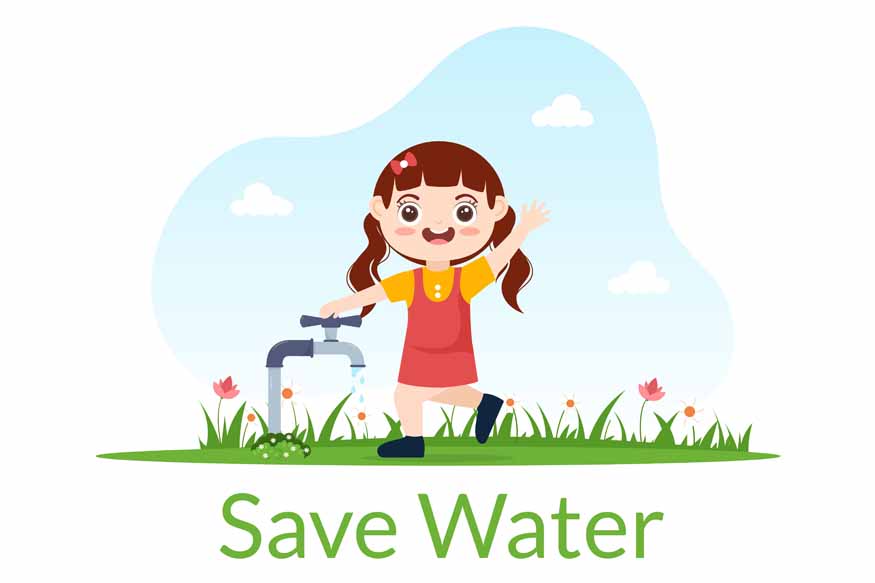
Children can start saving water with simple habits at home. Turning off the tap while brushing teeth, using only what’s needed when washing hands and filling a water bottle rather than pouring and discarding — these save water tips take no extra time but prevent waste that adds up over days and weeks. Small habits practised consistently are where most meaningful water conservation actually begins.
Water-Smart Habits at School
School is where water-saving habits get tested in a shared environment. Closing taps properly, using only what’s needed and reporting leaks prevent significant waste when practised consistently. Classroom activities that teach water conservation for kids make the reasoning behind these habits clear. At a Best School in Nagpur, developing awareness through everyday learning helps students build habits that continue beyond the classroom.
Making Bath Time More Water-Efficient
Bath time is one of the easiest places to put ways to save water into practice. Shorter showers, filling only the water needed when using a bucket, and turning off the tap while applying soap or shampoo all reduce consumption without making the routine any less effective. None of these changes require effort — they just require awareness. Over days and weeks, these small adjustments add up to a noticeable reduction in how much water bath time actually uses.
Using Less Water in the Garden
Gardening teaches children to use water thoughtfully rather than generously. Watering plants in the early morning or evening reduces evaporation, and a watering can gives better control than a hose. These small decisions teach children that plants need the right amount of water, not the largest amount. Schools that include gardening during the CBSE school admission stage give students hands-on practice in responsible resource use from the start.
Reusing Water Whenever Possible
Not every task requires fresh water. Water used for washing fruits and vegetables can often be collected and used for watering plants. Leftover drinking water from bottles or glasses can also be poured into pots instead of being thrown away. Children should always ask an adult before reusing water for different purposes to ensure it is safe. Learning how to reuse water wisely helps reduce waste without affecting cleanliness or hygiene.
Preventing Water Waste
Saving water is not only about using less; it is also about preventing unnecessary loss. A dripping tap may seem unimportant, but over time it can waste a surprising amount of water. Children can help by telling parents or teachers if they notice leaking taps, overflowing tanks or broken pipes. They should also avoid playing with running water simply for fun. Paying attention to these small details helps protect valuable resources every day.
Learning to Value Clean Water
Clean water at the turn of a tap is something many children take for granted — but in many parts of the world, families walk long distances just to collect it. Understanding this gap changes how students think about every litre they use. Classroom discussions, stories and writing exercises like a save water essay give children the space to reflect on what responsible use actually means — and that reflection is often what turns awareness into genuine habit.
Inspiring Others to Save Water
A good habit shared multiplies its impact. Children who remind friends to close taps or join school campaigns around conservation are extending their own effort outward. Water saving activities like poster competitions, quizzes and pledge drives make this feel engaging rather than dutiful — and habits formed through participation tend to stick far longer than those learned from a lesson alone.
Turning Water Conservation into a Daily Habit
Saving water doesn’t require dramatic changes — just consistent, thoughtful decisions. Turning off taps, using only what’s needed and avoiding unnecessary waste gradually become second nature when practised daily. At CBSE schools in Wardhaman Nagar, these habits are encouraged both in the classroom and at home, because conservation that happens in both places adds up far faster than either one alone. Visit to learn more about How to Save Water
Frequently Asked Questions
1. Why should children save water?
Preserving water now contributes to its future protection.
2. What can children do to save water at home?
Turn off taps, use less water and avoid wasting it.
3. How can students save water at school?
Close taps properly and inform a teacher about any leaks.
4. Do small water-saving habits really help?
Yes. Even simple daily habits can make a big difference over time.
5. Why is clean water valuable?
Everyone needs clean water for drinking, cooking and daily life.
Conclusion
Water conservation doesn’t start with policy or infrastructure — it starts with small, daily decisions made by individuals. Children who learn to use water carefully develop habits that stay with them and influence those around them. Every litre saved today extends what’s available tomorrow. When saving water becomes part of how a child lives rather than something they were told to do once, the impact quietly compounds in ways that matter long after the habit formed.
Centre Point School, one of the recognised CBSE schools in Wardhaman Nagar, treats environmental responsibility as part of everyday learning rather than an occasional activity. Water conservation, waste reduction and care for the environment are habits students build gradually through regular practice. For families who want their child to grow up understanding the value of these habits alongside academics, reaching out about CBSE admission is a good place to start.