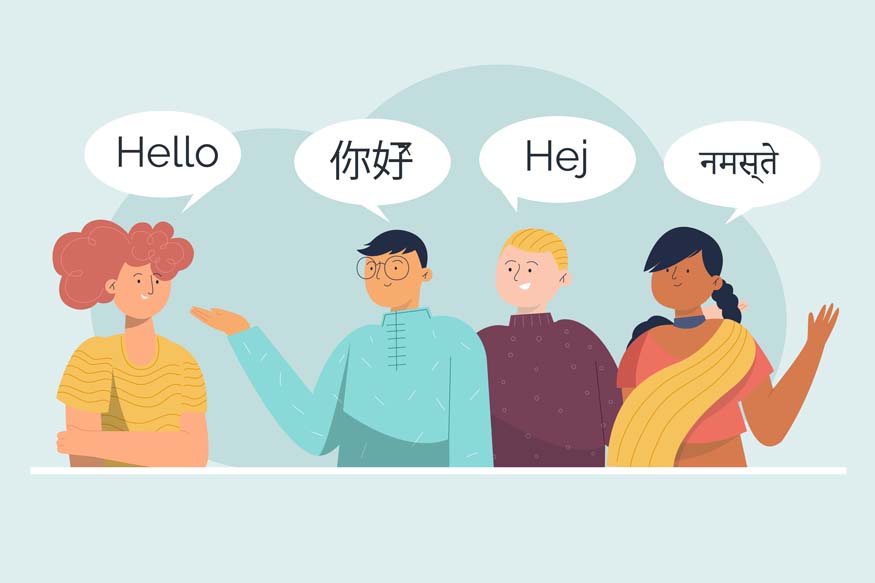
Parents across the country are suddenly hearing about a new language rule in schools. Naturally, many of them have questions. Will children have to study an extra subject? Will it increase pressure? How will schools manage it from Class 6? This R3 language guide 2026 explains the new system in simple words. Instead of complicated educational terms, let us understand what this change really means for students and parents in everyday school life. Many families exploring CBSE School in Nagpur are trying to understand how third language learning will be introduced in middle school. During CBSE School admission, details about subject choices, language options, and overall academic balance have become an important part of the discussion.
What Is Third Language (R3) in Class 6?
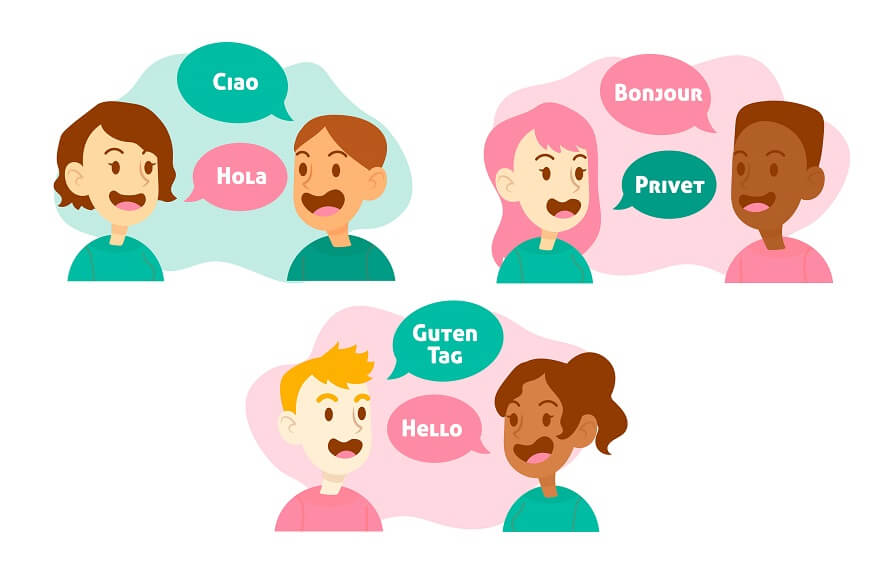
In simple terms, the R3 language is a third language that children will learn starting in Class 6. As part of the new CBSE School Curriculum, children will now learn one additional language in addition to English and another language previously taught in school. The goal of making third language instruction compulsory class 6 is to enable students become more at ease with language development and communication from a young age. Consider how simple it is for kids to recall phrases from songs, mobile games, or cartoons. The brain learns languages more quickly at a young age. Instead of waiting until later courses, schools feel that now is the ideal moment to naturally teach a second language. According to the latest CBSE R3 language rules, schools may offer different options depending on teachers and regional preferences.
Why Has CBSE Introduced This Rule?
For many years, school learning focused heavily on marks and memorising answers. That strategy is being gradually altered by the updated CBSE School Curriculum. The purpose of compulsory languages in school is not only academic. Schools want children to improve speaking skills, understand different cultures, and become more confident in communication. Imagine a child visiting another state and understanding basic conversations there. Even small language skills can make children more adaptable and socially confident later in life. The R3 language guide 2026 also explains that multilingual learning may improve listening ability and memory. Many professionals believe that youngsters who understand multiple languages at a young age seem to think more creatively.
Will Students Feel Extra Pressure?
This is often the biggest concern for many parents. When people hear third language compulsory class 6, they immediately think about extra homework, tuition, and stress. But schools are trying to avoid that situation. Many schools plan to use narrative, classroom discussions, reading exercises, and basic speaking exercises rather than making language learning entirely theory-based. For example, instead of having lengthy grammar lectures every day, students might learn simple words through games or group activities. Learning becomes lighter and more organic as a result. The updated CBSE School Curriculum prioritises understanding over memorisation. That is one reason schools are slowly changing teaching methods as well.
How Will Schools Teach the Third Language?
The teaching style may differ from one school to another. Some schools may focus more on speaking and reading. Others may include cultural activities, poems, or simple classroom conversations to make the language easier to understand. Under the current CBSE R3 language rules, schools are expected to make learning student-friendly. The goal is not to scare children with difficult textbooks from the beginning. Many schools are now strengthening third language learning through trained teachers, interactive teaching methods, and better academic support. This has become an important focus area in many CBSE School in Nagpur during admissions and curriculum planning.
Which Languages Can Students Choose?
The answer depends on the school. Some institutions may offer Sanskrit, while others may provide Marathi or another regional language. Schools usually decide this based on teacher availability and local requirements. Many CBSE Schools in Katol Road offer different third language choices based on their curriculum structure and learning approach. The idea of compulsory languages in school does not mean every student across India studies the same language, as schools still have flexibility while following the overall academic framework.
Will There Be Exams for the Third Language?
Yes, students will most likely have assessments. However, schools are expected to keep them balanced and manageable. The latest R3 language guide 2026 suggests that language learning should include practical understanding, not only written memorisation. For example, students may be encouraged to read small passages, participate in conversations, or understand simple meanings instead of writing long textbook answers. This method helps children gradually build confidence without feeling pressured or overwhelmed.
How Does This Change Affect Daily School Life?
In reality, most children will gradually adjust to the new system. At first, students may feel confused about learning another language. But children often adapt faster than adults expect. Once classroom activities begin, the language usually becomes part of the normal school routine. A child already learns many things outside textbooks every day — new words from friends, phrases from videos, or expressions from teachers. Schools are trying to use this natural learning ability in a more organised way. The updated CBSE School Curriculum is encouraging every School in Nagpur to make learning more interactive instead of focusing only on exams.
What Benefits Can Students Get in the Future?
Learning multiple languages can help beyond school exams. Children who know more than one language often become more confident while speaking to different people. It may also help during travel, higher studies, and future careers. For example, many jobs today require communication with people from different regions. Even basic language understanding can become useful later in life. The system of compulsory languages in school is also connected with helping students become more culturally aware and adaptable. A Best School in Nagpur focuses not only on academic performance but also on communication skills, practical learning, and overall student development.
What Should Parents Ask Schools Before Admission?
Parents do not need to panic about the new rule. During school visits, they can simply ask practical questions to understand how the language system will work for their child. For example, parents may want to know which third language the school offers, how classes will be conducted, and whether extra support will be given if a student finds the subject difficult. Third language learning and subject flexibility are now important part of CBSE School admission, especially for students joining a CBSE School in Nagpur at the middle school level.
How Are Schools Preparing for This Change?
There are various methods that schools are getting ready for the new language system. Many institutions are training teachers, updating study material, and introducing more activity-based learning methods. Some schools are even conducting orientation sessions for parents so they understand the system better. During the admissions process, several CBSE schools on Katol Road are now providing more detailed information on third language possibilities and instructional strategies. At the same time, schools understand that children learn at different speeds. Because of this, many teachers are being encouraged to focus on gradual improvement rather than strict perfection from the beginning.
Why Are Parents Paying More Attention to Language Learning Now?
Earlier, most parents mainly focused on marks in maths and science. But now communication skills are becoming equally important. A child who can express ideas clearly often performs better in interviews, presentations, and teamwork later in life. That is one reason the revised CBSE School Curriculum is giving more attention to languages. A Best School in Nagpur helps students grow not only in studies but also in communication, confidence, and everyday learning skills. The latest R3 language guide 2026 shows that schools are slowly moving towards skill-based learning instead of only exam-based education.
FAQs
What is the R3 language in Class 6?
It is a third language introduced for students from Class 6 onwards.
Will the third language increase study pressure?
Schools are expected to teach it gradually through simple and practical methods.
Which languages can students choose?
Schools may offer Sanskrit, Marathi, or other regional languages.
Will there be exams for the third language?
Yes, but many schools may focus more on understanding and communication skills.
Why is this included in the CBSE School Curriculum?
The updated CBSE School Curriculum focuses on communication skills, cultural understanding, and holistic learning.
How can parents help children?
Regular practice and support at home can make language learning easier for students.
Conclusion
Every change in education brings questions for parents, especially when it affects children at an important stage of learning. While the idea of third language compulsory class 6 may seem challenging at first, children often adapt well when learning is introduced in a simple and supportive way. The updated CBSE R3 language rules are not only about academics. They aim to help students communicate better, understand different cultures, and grow with more confidence. As this R3 language guide 2026 shows, the real value of language learning goes beyond exams and can become a useful life skill for the future.
At Centre Point School, students are encouraged to learn languages through interactive activities and practical communication so that learning feels engaging rather than stressful.
Parents searching for a CBSE School in Nagpur often hope for more than just good marks—they want a place where their child feels happy, safe, and encouraged to grow. CBSE Schools in Katol Road are often part of this search, and Centre Point School in Katol Road is one of the names parents consider for its focus on confidence, curiosity, and all-round development. Enquire Now, just to feel sure about the care, support, and values our school offers every child.