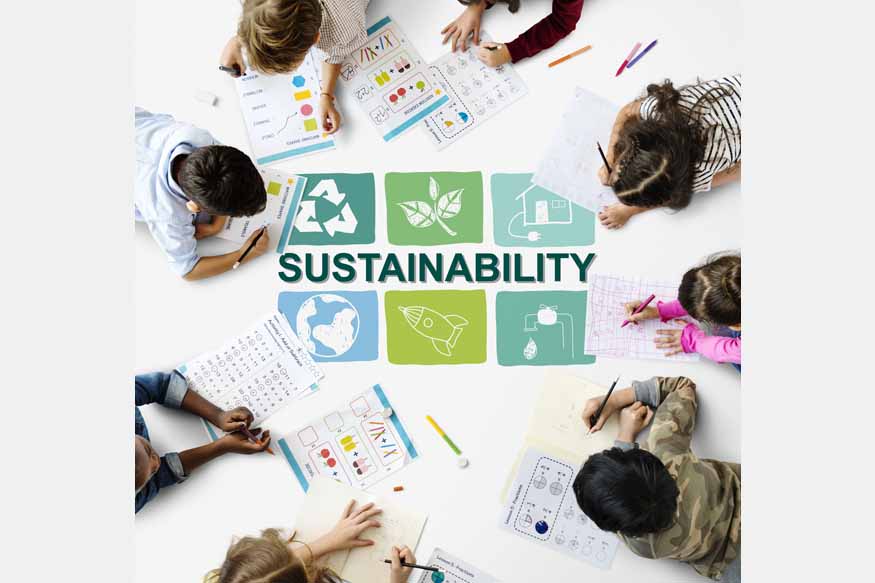
Environmental awareness is becoming more and more vital in everyday life rather than being limited to textbooks as modern education undergoes a significant transformation. Since our communities are directly affected by global ecological issues, classrooms must be places where young people are taught that the decisions they make on a daily basis can have long-term effects. By developing practical learning and going beyond theory, a truly progressive curriculum acknowledges the importance of sustainability education for students. However, the focus should be on developing an engaging learning atmosphere where sustainability is incorporated into the school’s culture, helping children in forming eco-friendly behaviours at a young age.
The CBSE Curriculum’s Environmental Education
While the classroom is evolving, students are learning just how human decisions affect the environment. Among the real-world subjects included in the curriculum are natural resources, pollution, conservation, biodiversity, and climate-related issues. CBSE environmental studies lessons go beyond the textbook to teach students how to make a positive difference. What really differentiates a Top School in Nagpur is the combination of this strong academic foundation with meaningful, practical green experiences.
Sustainability Projects as a Learning Tool
When compared to theory alone, practical learning improves students’ understanding of environmental concepts. Projects associated to water conservation, waste reduction, renewable energy, and sustainable lifestyles are typically assigned by schools. Through these activities, students can research real-world issues and come up with solutions. These initiatives support students’ learning about sustainability by developing critical thinking, collaboration, and inquiry. Environmental awareness often becomes part of everyday learning at a school in Nagpur through lessons that connect sustainability with real-life situations.
Teaching Waste Segregation and Recycling in Schools
In many schools, students learn to differentiate between biodegradable and non-biodegradable waste. Through class discussions and daily activities students learn the importance of recycling of paper, plastic, and other materials. These teachings are maintained by distinct containers positioned throughout the campus. As part of green learning initiatives, children understand how proper waste management can reduce environmental damage. Parents exploring CBSE School Admission often appreciate schools that encourage responsible habits through everyday activities.
Activities for Students to Conserve Water
Water conservation is a highly important subject that is taught in schools through awareness campaigns and hands-on demonstrations. Simple techniques like correctly shutting off sanitary ware, reporting leaks, and using water with caution are taught to students. To teach children the importance of this resource, some schools host conservation initiatives and water audits. Students discover that every drop of water counts through environmental studies. Many families choose to enrol their children in a well-known school because of this practical approach.
Energy-Saving Techniques in CBSE Schools
Although it may seem insignificant, turning off lights, fans, and electronics when not in use is frequently the first lesson used by schools to teach kids about energy responsibility. This is expanded upon in discussions about solar and wind power, which help students understand the true source of energy and its cost. CBSE environmental studies include these minor routines and conversations which connect routine activities to more serious environmental issues. Students’ perspectives on energy at home are often influenced by the habits they develop in the classroom.
School Gardens and Learning Through Nature
No textbook can truly impart the knowledge that a school garden can. Children gain a feeling of patience that is difficult to develop in any other manner as they watch a seed grow into a plant—slowly, over several days, with obstacles along the way. Because the plant depends on them to show up and take care of it, it comes with a silent kind of duty. These little practices also help students understand sustainability—not as a concept, but as something they have personally witnessed—by connecting food to its true source. Our School in Nagpur generally focuses on this kind of experiential learning as part of the curriculum.
Eco-Clubs and Environmental Projects for Students
Students are encouraged to actively participate in environmental improvement through eco-clubs. Members regularly coordinate school-wide cleanliness programs, tree planting initiatives, and awareness efforts. Through these exercises, students are able to engage in meaningful activity outside of the classroom. Children gain leadership skills and help safeguard the environment through a variety of green learning projects. Opportunities that enable students to acquire both practical skills and social responsibility are generally valued by parents searching for a top school in Nagpur.
Outdoor Learning and Environmental Field Visits
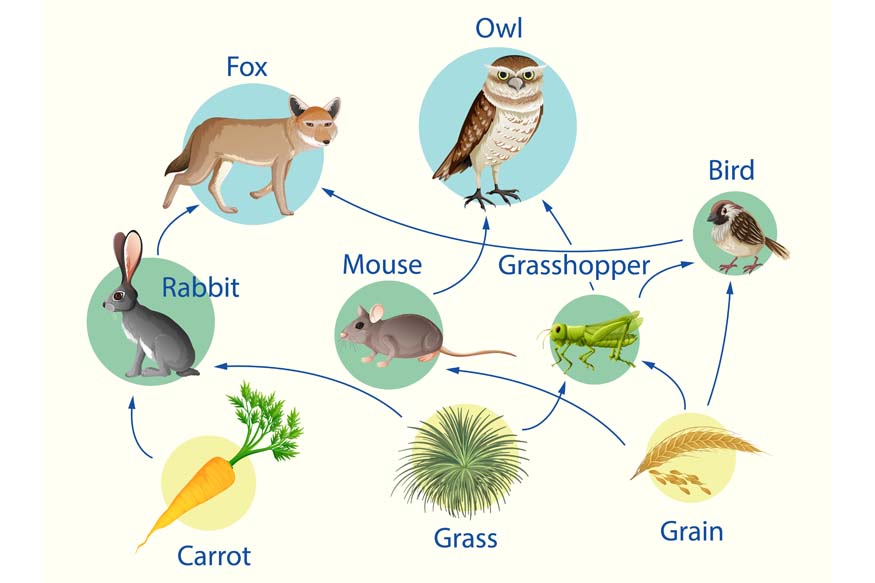
Parks, farms, and botanical gardens are more than just locations for field trips; they are the real homes of environmental principles. Students learn something that a diagram can never fully convey when they observe how plants develop, how animals act, and how an ecosystem functions. These trips are a part of the true purpose of green learning initiatives, which is to show students why conservation is important by allowing them to spend time in locations where it is visible.
How Do Schools Encourage Resource Responsibility?
Schools teach students to make prudent use of resources in their daily activities. Materials such as paper, water, power, and others are taught to be conserved. Simple behaviours like using both sides of a sheet of paper or carrying reusable water bottles can create lifelong habits. These lessons are necessary for students to learn about sustainability because they show how small actions can have a major impact. A renowned school in Nagpur regularly incorporates these strategies into routine classroom activities to raise environmental awareness.
Student-led Community Environmental Campaigns
When students share their knowledge to the larger community, environmental education gains more importance. Schools often host public initiatives that promote sustainable behaviours, cleanliness programs, tree planting activities, and awareness rallies. Students who take part in these programs discover how group efforts can result in positive change. These exercises are excellent illustrations of green learning programs that take education outside of the classroom. Schools that encourage students to give back to their communities are often valued by parents applying for CBSE school admission.
Integrating Sustainability Across Different Subjects
Instead of being taught individually, sustainability is often incorporated into different classroom lessons. In science classes, students may explore ecosystems; in social science, they may examine environmental issues; in mathematics, they can calculate resource use; and during language activities, they may discuss conservation topics. This helps children understand how environmental concerns influence different aspects of everyday life. Environmental studies become more relevant and easier to understand when these connections are made across subjects. This cross-curricular approach encourages students to view sustainability from multiple perspectives rather than as a topic limited to a single classroom lesson.
Building Long-Term Environmental Responsibility in Students
School-based habits seldom remain in school. When a child is raised to consider how their actions impact the environment, they typically carry that awareness into adulthood, frequently without recognising it. Sustainability education for students benefits most when it focuses less on facts and more on developing this way of thinking at a young age, helping children connect their decisions with their effects. If you visit CBSE schools in Amravati Road, you will often see students learning about environmental responsibility through practical activities. Visit to know more about importance of natural resources
FAQs
1. What is sustainability essential for students?
It helps students in developing good behaviours and understanding environmental difficulties.
2. How is environmental awareness taught in CBSE schools?
By means of classes, projects, eco-clubs, and hands-on exercises.
3. What environmental events are held at schools?
Schools may organise environmental initiatives, recycling campaigns, and tree plantings.
4. What function do eco-clubs serve?
Students are encouraged to participate in environmental activities through eco-clubs.
5. How do students benefit from sustainability education?
It educates students how to take care of the environment and make good decisions.
Conclusion
Teaching sustainability in schools involves more than just classroom education. Participating in gardening projects, recycling activities, nature tours, and conservation initiatives teaches students more about how their actions affect the environment. These experiences help children create links between environmental principles and everyday life and drive them to pursue responsible behaviours. Through green learning initiatives, schools provide students with the opportunity to acquire knowledge, practical skills, and a sense of environmental responsibility. These lessons could stay with students long after they graduate from school and influence their choices in the future.
At Centre Point School, a well-known name among CBSE Schools in Amravati Road, environmental awareness is an important part of student development. Through projects, eco-club activities, and sustainability-focused initiatives, students learn how small actions can make a positive difference. Enquire Now to explore our learning environment.