History isn’t simply something that happened; it’s all around us, preserved in museums that the majority of students ignore, carved into monuments, and built into the walls of historic forts. You can learn the details from a textbook, but seeing those events firsthand changes how you think about them. By visiting historical locations, students can close the gap between what they read and what they can see, touch, and enquire about. Because experience has a lasting effect that review cannot, this type of learning lasts far longer with kids than anything covered in a single chapter.
Why Reading About History and Seeing It Are Two Different Things?
Students who study history through books are better able to understand important details about monarchs, conflicts, and ancient societies. Visiting the real locations where these events took occurred, however, provides a totally different perspective. Students are better able to picture how people lived in the past when they stand in front of historic monuments and investigate their surroundings. This first hand encounter makes history seem more genuine and relatable. Many best schools in Nagpur, give students opportunities to see such activities in classroom lessons as real-life settings.
When Do Students See History Come to Life?
When students can stand in locations associated with important events in history and figures, history feels different. A trip to a historical location often generates curiosity and enquiries about subjects that might have been ordinary in a textbook.
Visiting Locations Associated with the Past
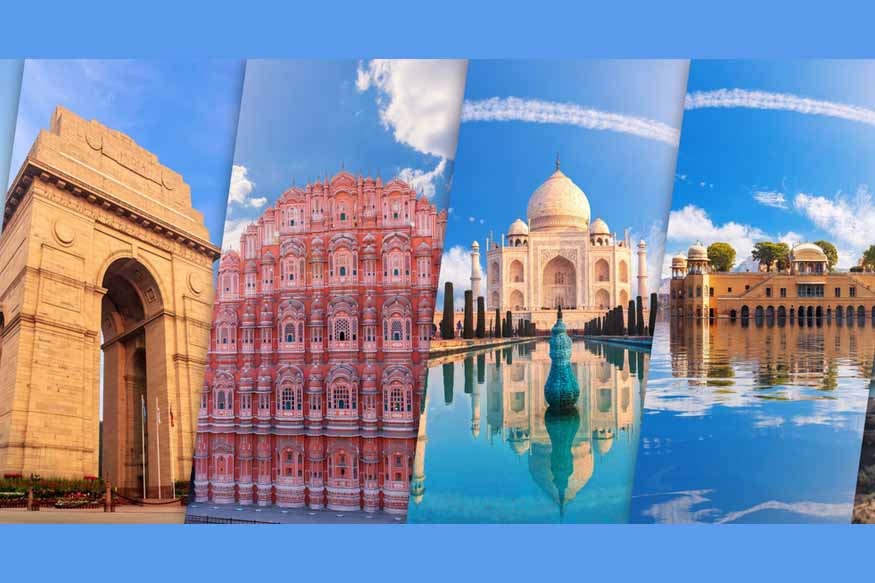
The monuments of India provide a window into many historical, architectural, and cultural eras. Students can see details that are hard to understand through classroom instruction alone when they walk around these locations.
Gaining Knowledge from Actual Experiences
One of the benefits of experiential learning in history is that students are encouraged to research, observe, and think on their own. Instead of focusing only on dates and facts, they begin to identify the stories, people, and actions that shaped the past.
What Students Discover Through Historical Visits?
Lessons that can’t always be taught from books are taught through historical visits. In addition to learning about cultural customs and how cultures have evolved throughout time, students study architecture. Additionally, they understand the value of historical monuments and grow to respect it. When students realise how various facets of history relate to geography, society, and daily life, the educational value of historical sites becomes evident. Because of this, learning outside of textbooks is frequently considered when applying to CBSE School Admission.
Looking at the Past Through Real Places
Students can understand the scope and importance of historical events by visiting ancient forts, palaces, temples, and museums. They develop a deeper understanding of the difficulties faced by the individuals who constructed these buildings. Many educators think that bringing children to see actual sites connected with major events makes Indian history education more interesting. These kinds of experiences help in making complex concepts easier for students to understand. When studying history at a school in Nagpur, students often gain a deeper understanding of the subject through activities that connect lessons with real-life experiences.
How Educational Travels Help Students Understand History?
Due to the numerous events, dates, and individuals involved, history can occasionally appear challenging. By offering real-world and visual examples, educational visits help in the understanding of these subjects. After browsing a website, students frequently find it simpler to recall information than after reading multiple pages of text. Experiential learning in history plays an important role in this situation. Students learn topics more naturally and memorably when they are exposed to them firsthand.
Finding the Tales Concealed in Historical Locations
Every historical landmark has a story of its own. Some reveal the contributions of everyday people, while others help us understand the rulers, kingdoms, and societies of the past. Students learn that history is composed of actual lives and experiences by investigating these tales. Students are frequently inspired to pose questions and investigate subjects they may not have previously thought about when they see historical monuments. This inclination may lead to a more of an interest in history and related subjects.
Why Students Remember More When They Learn by Seeing?
Compared to written material alone, visual experiences often make a greater impact. When students tour historical locations, buildings, and artefacts, they create lasting memories related to their education. When visiting a Best School in Nagpur, you often find students learning through observation and participation rather than relying only on textbook explanations.
Getting Firsthand Knowledge of Our Heritage
Students who are aware of their history are more equipped to understand the traditions, values, and achievements that have shaped society. When young students visit monuments in India, they gain an understanding of how different cultures influence the nation’s history and heritage. These interactions motivate children to respect diversity and teach them the importance of protecting cultural heritage for future generations.
How Do Historical Locations Inspire Students to Pose Questions?
Educational journeys usually interests curiosity. Children generally want to know who built a structure, why it was built, and its importance in history. Higher understanding and independent thought are encouraged by these investigations. The educational importance of historical places is not limited to learning historical facts; it also helps students build the habit of asking questions and finding answers. Asking questions and searching for answers are important features of lifelong learning.
The Long-Term Effects of Educational Visits
A historical visit usually has benefits that go beyond the actual day of the trip. Visits to historical locations can leave students with lifelong memories that motivate them to learn more about the people, places, and cultures they encountered. Additionally, these outings provide chances for independent study of historical subjects and classroom discussions. When researching CBSE School Admission, many parents consider how schools encourage learning through activities and experiences beyond the classroom.
What Students Take Away from Historical Tours?
During historical tours, students can slow down and focus on elements that are occasionally ignored in lesson. They can better understand the scope of historical accomplishments and the narratives around them by walking through historic forts, palaces, temples, and museums. Students learn about significant historical occurrences and cultural advancements through Indian history education, and they can observe the craftsmanship, architecture, and customs that went through over time by visiting historical places. These encounters often excite children’s curiosity, promote dialogue, and help them in seeing history as more than just a subject for school.
Making History a Relatable Subject for Students
Helping children understand the value of knowing about the past is one of the most challenging parts of teaching history. By explaining how choices, inventions, and cultural advancements from the past still have an impact on society now, historical trips help close this gap. Students learn that studying historical sites is more than simply memorising data. It is about understanding the individuals, concepts, and occasions that continue to influence the world in which we live. Many CBSE Schools in Katol Road include educational visits as part of their learning activities, allowing students to explore concepts beyond the classroom. Visit to know more about historical monuments of India.
FAQs
1. Why should students visit historical places?
They help students understand history through real-life experiences.
2. How do historical visits support learning?
They make lessons more interesting and easier to remember.
3. What skills can students develop during historical tours?
Students gain proficiency in critical thinking, communication, and observation.
4. In what ways do historical sites teach children about their heritage?
They offer a clear understanding of history, customs, and culture.
5. Do students benefit from educational visits?
Yes, they make learning useful, interesting, and remembered.
Conclusion
Students can learn in ways that are not always possible with standard classroom instruction thanks to educational trips. When students explore the past through actual locations, witness historical details personally, and get a greater understanding of culture and tradition, the educational importance of historical places becomes evident. These events develop critical thinking, curiosity, and a stronger desire to learn. When students take part in educational visits, classroom concepts often become easier to relate to, which is why such activities are included in curriculum of many schools in Nagpur. Through meaningful educational experiences, students can get a more in-depth of history and a lifetime passion for learning about the world around them.
Centre Point School is of the top CBSE schools in Katol Road, uses educational activities to help children make connections between academic ideas and practical experiences outside of the classroom. Students are encouraged to get a deeper understanding of subjects while developing curiosity and confidence through field trips, historical visits, and interactive learning experiences. Get in touch with us today! for CBSE Admission information, if you are a parent looking to give your kids a well-rounded education. Enquire Now!