
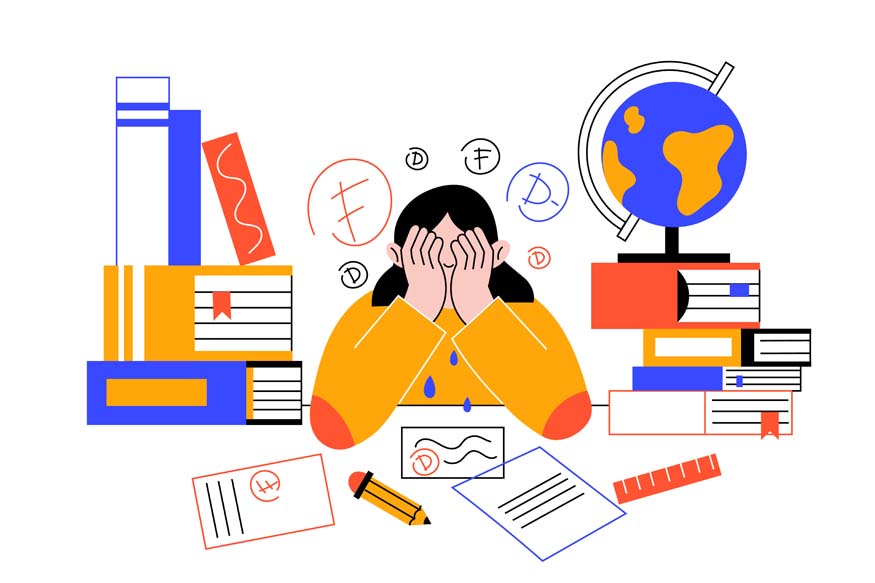
For a brief time, everything you have studied seems illogical as you stand in the exam room with the question paper in front of you. Many students in Classes 9 and 10 experience tension, worry, and fear of making mistakes during exam season. Even well-prepared teenagers can experience sudden confusion or mental strain due to intense grading systems and peer competitiveness. In addition to affecting academic achievement, this pressure directly damages a child’s focus and self-confidence at an important stage. To counter this, a leading school in Nagpur focuses on building an encouraging environment that actively shields mental health and restores exam confidence. By breaking down heavy syllabi into step-by-step goals with proper guidance, students can navigate their board preparation calmly and efficiently.
What Causes Students to Experience Exam Stress?
For many children, classes 9 and 10 can be stressful since expectations start to rise and academics become more serious. Even with consistent preparation, students frequently experience anxiety due to pressure to do well, fear of receiving poor grades, and comparison with fellow classmates. During revision, this stress may impair focus and self-assurance. The first step is to learn how to stop exam fear is to recognise that these emotions are common and controllable. In order to lessen needless academic strain, many schools that adhere to the CBSE School Curriculum now promote balanced teaching strategies and student wellbeing.
Typical Indications of Exam Stress Students Should Recognise
Exam stress frequently develops gradually, and students might not become aware of it until it interferes with their everyday activities. Early detection can help reduce exam stress and enhance mental health.
- Sleep problems: Having difficulty falling asleep before a test.
- Poor focus– Difficulty concentrating while studying.
- Low energy– Feeling tired even after rest.
- Exam anxiety: Fear of forgetting answers.
- Mood swings: Distress or variations in emotions.
- Avoiding studies– Delaying revision due to stress.
Students often feel less stressed when they are able to discuss study pressure with someone they trust. In many schools in Amravati Road, teachers guide students in handling exam pressure in a calmer and more practical way.
How Does Students’ Confidence Get Affected by Stress of Marks?
Students who just think on their marks frequently discover that studying is no longer a fulfilling activity but rather a burdensome task. A student’s confidence is swiftly depleted and severe exam anxiety is easily triggered by this persistent dread of receiving a low grade and constant comparisons with other people Students who practise effective board exam stress management are better able to understand that while tests are crucial, they are not the sole indicator of aptitude or achievement. Students at the Best School in Nagpur can learn with confidence rather than fear if they are in a healthy setting.
Creating a Simple Study Routine Without Pressure
When preparing for an exam, students can maintain composure and organization by following a basic study schedule. Dividing subjects into smaller tasks, taking short breaks, sleeping properly, and revising daily often makes studying feel easier and less tiring. One of the best exam anxiety tips for students is time management is to keep preparation organised and reduces unnecessary stress. Students are frequently encouraged to use practical study techniques that make learning simpler and more organised in a reputable school in Nagpur.
Why Is Exam Anxiety Reduced by Time Management?
When students leave difficult topics for the last moment, exam pressure often feels much heavier. Planning studies properly and revising step by step helps students feel more prepared, relaxed, and in control during exams.
- Last-minute study stress: Students who attempt to learn everything at the last minute experience increased anxiety.
- Regular review: It is beneficial since it helps with recall, and eases exam anxiety.
- Balanced study time– A proper timetable helps students study without feeling overloaded.
- Better planning support: Students who prepare before of time are more likely to maintain composure and be ready for tests.
Smart Revision Techniques That Feel Less Stressful
Revision becomes easier when students use simple methods instead of memorising everything repeatedly. These techniques improve understanding and reduce pressure during exam preparation.
- Short Notes for Quick Revision – Helps revise important points quickly.
- Flowcharts and Diagrams – Make concepts easier to understand and remember.
- Solving Previous Papers – Improves speed and exam confidence.
- Group Study Discussions – Helps clear doubts and strengthen learning.
- Teaching Others– Providing clarification on subjects improves retention.
How Can Sleep and Rest Aid in Exam Preparation?
Many students sleep for few hours during exams because they feel it gives them more study time. On the other hand, inadequate sleep can lower energy, focus, and memory during studying. Proper rest is an important part of board exam stress management because students who sleep well usually feel calmer and think more clearly during exams. A balanced routine encouraged in a School in Amravati Road can also help students stay mentally and emotionally prepared during exam season.
How to Handle Distractions When Studying at Home
A student’s concentration during exam preparation might be easily distracted by constant phone use and social media use. It takes a lot longer to get back on track when study time is repeatedly interrupted by messages and browsing, leaving students feeling unprepared and psychologically exhausted before they even finish a chapter. Keeping distractions away for some time and studying in a calm environment can improve concentration and make learning smoother is one of an exam anxiety tips for students. Many schools following the CBSE School Curriculum now guide students towards healthier study routines and better control over screen distractions during exams.
Easy Methods for Maintaining Your Calm Before an Exam
Exam anxiety is normal, but students can feel more at ease and concentrated by forming tiny routines. Realizing how to stop exam fear starts with avoiding tense, last-minute group discussions outside the hall and accepting that you do not need to be perfect in every single subject. Instead, reset your nervous system at your workstation with easy techniques like deep breathing and encouraging self-talk. Anyone can utilise these doable strategies to remain more composed, concentrated, and psychologically ready during exam time, much like students at a school in Nagpur who receive frequent guidance on reducing test anxiety.
Why Comparing Marks Increases Stress Levels?
Students are forced into a never-ending cycle of competition when they compare their grades, which severely undermines their self-esteem and raises academic pressure. Because every student learns differently, concentrating too much on other people’s grades leads to needless stress and hinders personal development. When students prioritise their own growth and education over always competing with other students, they make true progress. A best school in Nagpur helps children develop genuine academic confidence without the continual stress of matching someone else’s grade by focusing personal development over competitiveness.
Healthy Habits That Improve Focus and Concentration
During exam preparation, habits are essential for enhancing focus and concentration. Students should consume a balanced diet, exercise frequently, drink enough water, take short breaks, and stick to a sleep schedule. Keeping up these easy routines promotes improved focus and mental health during exams. In the end, students who maintain their physical health are frequently able to perform with more confidence and manage academic pressure more calmly.
How Parents Can Support Students During Exam Time?
When they have calm support and understanding at home, students frequently feel more confident throughout tests. During preparation, a significantly more positive mind set is created by promoting good daily habits, listening without pressure, and avoiding peer comparisons. These modest family initiatives are crucial to teaching youngsters how to stop exam fear in a positive, healthy way. Students get the ideal foundation to handle academic stress and reach their full potential when this encouraging family environment is combined with the balanced learning style offered at the Best School in Nagpur.
Balancing Studies and Mental Well-Being Together
Many students believe they must sacrifice rest, hobbies, and relaxation during exam season, but ignoring emotional health can reduce focus and motivation over time. Proper board exam stress management includes balancing studies with activities that help students feel calm and refreshed, such as music, reading, sports, or creative hobbies. Schools following the CBSE School Curriculum are giving more importance to emotional well-being along with academic performance.
Staying Positive Even After Difficult Exams
Not every exam goes perfectly, and that is completely normal. Students should avoid overthinking after leaving the examination hall. Worrying about mistakes only increases stress for the next paper. One of the most practical exam anxiety tips for students is focusing on the next step instead of repeatedly discussing completed exams. Positive thinking supports better mental health during exams and helps students remain motivated throughout the exam season.
FAQs
Why do students experience anxiety before exams?
Stress and anxiety are frequently brought on by pressure from grades, competitions, and board exams.
How might students lessen their anxiety before an exam?
Stress can be decreased with a balanced schedule, regular revision, and adequate sleep.
What common signs and symptoms indicate exam anxiety?
Common symptoms include anxiety, sleeplessness, poor concentration, and overthinking.
Why is emotional health important during exams?
A calm mind helps students stay focused and confident.
How can schools support students?
Schools can help with structured learning, guidance, and better study methods.
Conclusion
For many children in Classes 9 and 10, exams can be difficult, particularly when pressure, expectations, and studies all start to rise at the same time. Stress shouldn’t, however, cause students to lose faith in their skills or abilities. Students can gradually learn how to overcome exam anxiety and approach exams more calmly with consistent review, adequate sleep, healthy routines, and the appropriate emotional support. Additionally, it’s critical that students realise that grades are just one aspect of life and not the only indicator of aptitude or future success. During exam season, students might perform better and feel more confident if they maintain mental relaxation, get enough sleep, and maintain balance. Students studying in a School in Amravati Road often benefit from guided learning methods that help them handle studies with better focus, discipline, and confidence during exam time.
Students at Centre Point School in Amravati Road are encouraged to get ready for tests by using hands-on learning techniques, improved planning techniques, and consistent academic support that makes studying feel more structured and doable. The school’s main goals are to help students become more knowledgeable, maintain their confidence during test season, and form better study habits without putting them under undue stress. To find out how the school promotes balanced learning and general student development during crucial academic years, enquire now for CBSE School Admission in Nagpur.